

Check Out Our Soft Washing Blog!
When you understand the basics of soft washing, you as a property owner become empowered to choose the right pressure washing professional. South County Soft Wash has created our blog to help you learn more about our techniques so that you know what to look for in an exterior cleaning professional!

South County Soft Washing Rhode Island & Connecticut Blog Articles
Learn About Pressure Washing & Curb Appeal!
What Causes Black Streaks on My Roof, and Can Soft Washing Remove Them Safely in Rhode Island?
What those black streaks actually are and why they spread
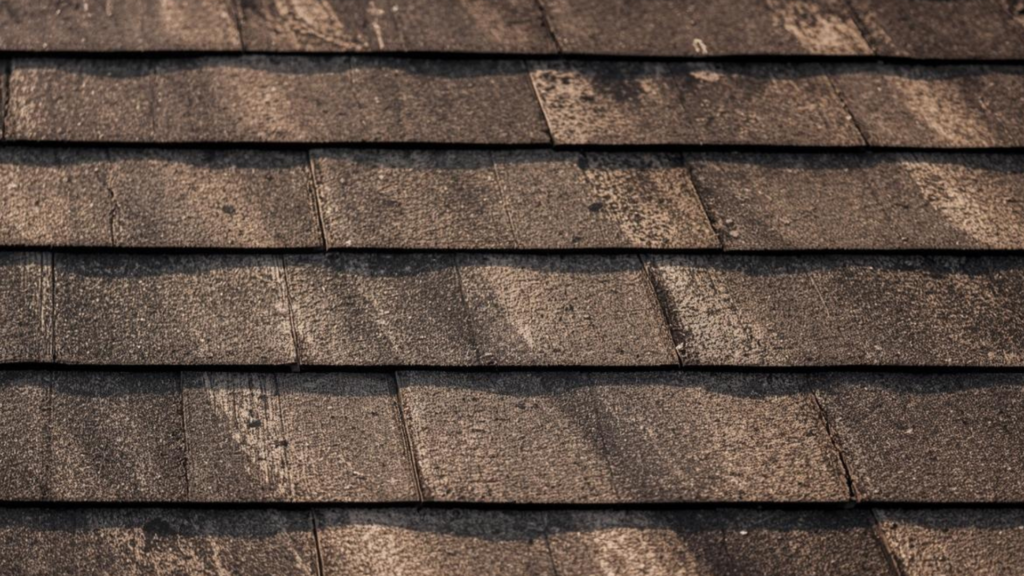
If you’re seeing dark lines or blotchy staining on your shingles, you’re not alone. Across Rhode Island, roof stains show up fast because humid summers, salty air near the coast, and shaded rooflines create ideal conditions for organic growth. In most cases, the black streaks homeowners notice are caused by algae and related microorganisms that cling to roofing surfaces and feed on the limestone filler found in many asphalt shingles. Once established, they do not just sit on top. They hold moisture, trap debris, and gradually spread across the roof plane, especially on north-facing slopes and areas shaded by trees.
Roof stains are more than a cosmetic issue. A roof that stays damp longer can experience accelerated wear, and the longer buildup remains, the harder it becomes to restore an even appearance. The good news is you do not need to attack shingles with harsh pressure to get results.
Why pressure washing is the wrong tool for most roofs
It’s tempting to think stronger is better, but roofs are different than concrete. High pressure can dislodge protective granules, force water beneath shingles, and shorten the life of roofing materials. Even if a roof looks brighter immediately after a high-pressure rinse, the underlying organisms can remain and return quickly, sometimes in a more uneven pattern than before.
That’s exactly why we focus on soft wash roof cleaning. Soft washing relies on low pressure and the right cleaning solutions to treat growth at its source rather than blasting the surface. For Rhode Island homeowners who want a clean roof without unnecessary risk, soft washing is the responsible approach.
How our soft wash roof cleaning works step by step
Soft washing is a process, not a shortcut. A safe, professional roof cleaning typically follows a clear sequence that prioritizes results and material protection.
First, we evaluate the roof’s condition, pitch, access points, and the type of staining. Different roofing materials and different levels of buildup require different handling, so a quick look is not enough to do it right.
Next, we protect landscaping and exterior features where needed. A professional setup includes controlling runoff and being mindful of surrounding plants and porous surfaces so the cleaning process does not create avoidable issues around the home.
Then we apply a soft wash treatment using low pressure. The goal is to let the solution do the work by breaking down algae, mold, and other organic growth so it can be rinsed away safely.
Finally, we complete a controlled rinse and final inspection. When soft washing is done correctly, the result is typically more uniform and longer-lasting than surface-only cleaning methods.
When Rhode Island homeowners should schedule roof cleaning
Timing matters in this region. If you wait until heavy leaf drop, coastal storms, or extended humid stretches, buildup can worsen and moisture can linger longer on rooflines. Many homeowners schedule roof cleaning as part of a proactive exterior maintenance plan, often before seasons that bring heavier debris or peak humidity.
If your roof is showing black streaks, you’re noticing moss around shaded edges, or you’ve had more tree debris landing on the roof lately, it’s worth addressing sooner rather than later. Roof cleaning is also a smart step before listing a home, refinancing, or improving curb appeal ahead of outdoor season and gatherings.
The hidden problems roof stains can contribute to
A stained roof isn’t always leaking, but it can create conditions that lead to bigger headaches. Organic growth holds moisture, moisture attracts more debris, and debris can back up drainage paths and encourage more growth. Over time, that cycle can stress shingles and keep roof sections wetter than they should be.
In Rhode Island, this is especially important near the coastline and in wooded areas across South County where shade and humidity work together. Keeping the roof surface cleaner helps it dry more efficiently after rain, fog, or heavy dew.
What makes soft washing a better long-term solution
Soft washing does not just brighten a roof. It targets what is living on the roof. That matters because if growth remains rooted in the surface, it can rebound quickly. A soft wash approach treats the cause, not just the symptom.
Homeowners also appreciate that soft washing is a low-impact process for delicate exterior materials. It is a smarter method for roofs and aligns with the goal most property owners share: keep the roof looking better, longer, without introducing avoidable damage.
Local roof cleaning considerations in South County
Every region has its own exterior cleaning challenges. In South County and surrounding Rhode Island communities, we see a mix of salt air exposure, variable shade coverage, and weather patterns that encourage algae and moss growth. Roofs near the water often show staining differently than roofs further inland, and tree cover can make a dramatic difference from one street to the next.
If you’ve walked around the area near the Hopkinton City Historic District, you’ve seen how New England character and mature trees go hand in hand, which is great for the neighborhood but often tough on rooflines that sit under shade. And if you’ve spent time outdoors in the Arcadia Management Area, you already know how quickly moisture can linger in wooded environments. Those same conditions can contribute to organic buildup on nearby homes and properties.
How to know it’s time to call a professional roof cleaner
If you’re unsure whether your roof needs cleaning, there are a few reliable indicators that usually show up before the situation becomes more widespread. Black streaking that appears in lines or patches often points to algae growth that is actively spreading, especially when it concentrates on one roof plane. Moss growth near roof edges, valleys, or shaded sections is another sign that moisture is lingering and allowing growth to take hold. Uneven roof color that was not present a year or two ago typically indicates that staining is expanding beyond isolated spots. Roof sections that stay damp longer than others after rain often reveal shade and airflow issues that make regrowth more likely.
A professional assessment helps you avoid guessing and reduces the chance of using the wrong method. Roof cleaning should be precise, not aggressive.
What to expect when you hire South County Soft Wash
When you hire us for roof cleaning in Rhode Island, you’re getting a team that focuses on proper surface care. We use soft washing because it is designed for roofs, and we approach each project with the goal of restoring appearance while protecting the materials you’re counting on to keep your home dry and secure.
If you’re in Hopkinton, Narragansett, South Kingstown, Charlestown, and surrounding Rhode Island communities, we’re ready to help you take care of your roof the right way.
FAQs
Can soft washing remove black streaks without damaging shingles?
Yes. Soft washing uses low pressure and cleaning solutions designed to treat organic staining without blasting granules off shingles.
Will roof cleaning stop algae from coming back forever?
No roof stays maintenance-free forever, but removing growth at the source helps slow regrowth and keeps the roof looking better longer.
Is soft washing safe for roofs near the ocean in Rhode Island?
Yes. Coastal conditions often increase buildup, and soft washing is an effective way to clean without harsh surface abrasion.
Do I need roof cleaning if my roof isn’t leaking?
Many roofs stain long before they leak. Cleaning is often about preventing buildup from holding moisture and accelerating wear.